
Precision Microgrid Engineering: Achieving 100% Islanded Autonomy
Designing resilient, self-healing microgrids for hospitals, schools, and remote industrial campuses with seamless grid detachment and synthetic inertia.
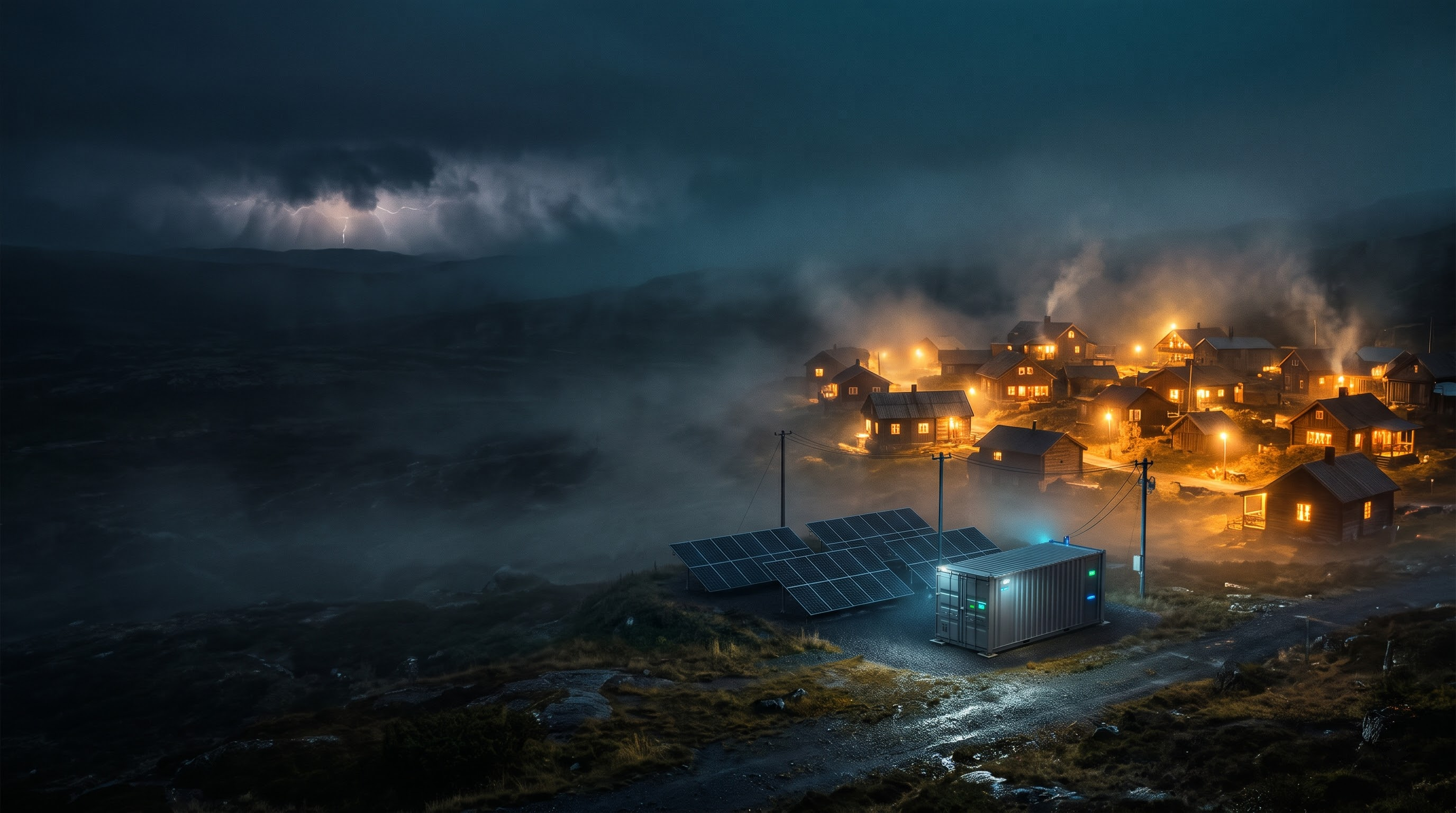
Designing resilient, self-healing microgrids for hospitals, schools, and remote industrial campuses with seamless grid detachment and synthetic inertia.
Microgrid engineering requires balancing intermittent solar generation, instantaneous load fluctuations, battery state-of-charge, and diesel backup failover within milliseconds.
When grid faults occur, grid-forming inverters provide synthetic inertia and voltage support, decoupling the facility from the destabilized grid in fewer than 10 milliseconds—faster than a computer reboot or light flicker.
Grounding microgrid control systems in predictive machine learning algorithms allows facilities to anticipate cloud cover patterns and pre-charge battery banks ahead of forecasted storm systems.
Intelligent load prioritization ensures critical life-support, refrigeration, and communication equipment remain operational 24/7, providing unyielding resilience against climate disruptions.
Ready to evaluate your solar feasibility?
Use our rooftop solar calculator to estimate system size, subsidy eligibility, and lifetime electricity savings in 60 seconds.
Related Clean Energy Insights
Browse all →
N-Type TOPCon vs. Mono PERC: Which Solar Technology Wins in High Ambient Heat?
Comparing temperature coefficients, bifacial gain, LID degradation, and lifetime LCOE between N-Type Tunnel Oxide Passivated Contact (TOPCon) and P-Type Mono PERC panels.
Dr. Aris Thorne
Principal Photovoltaic Research Engineer
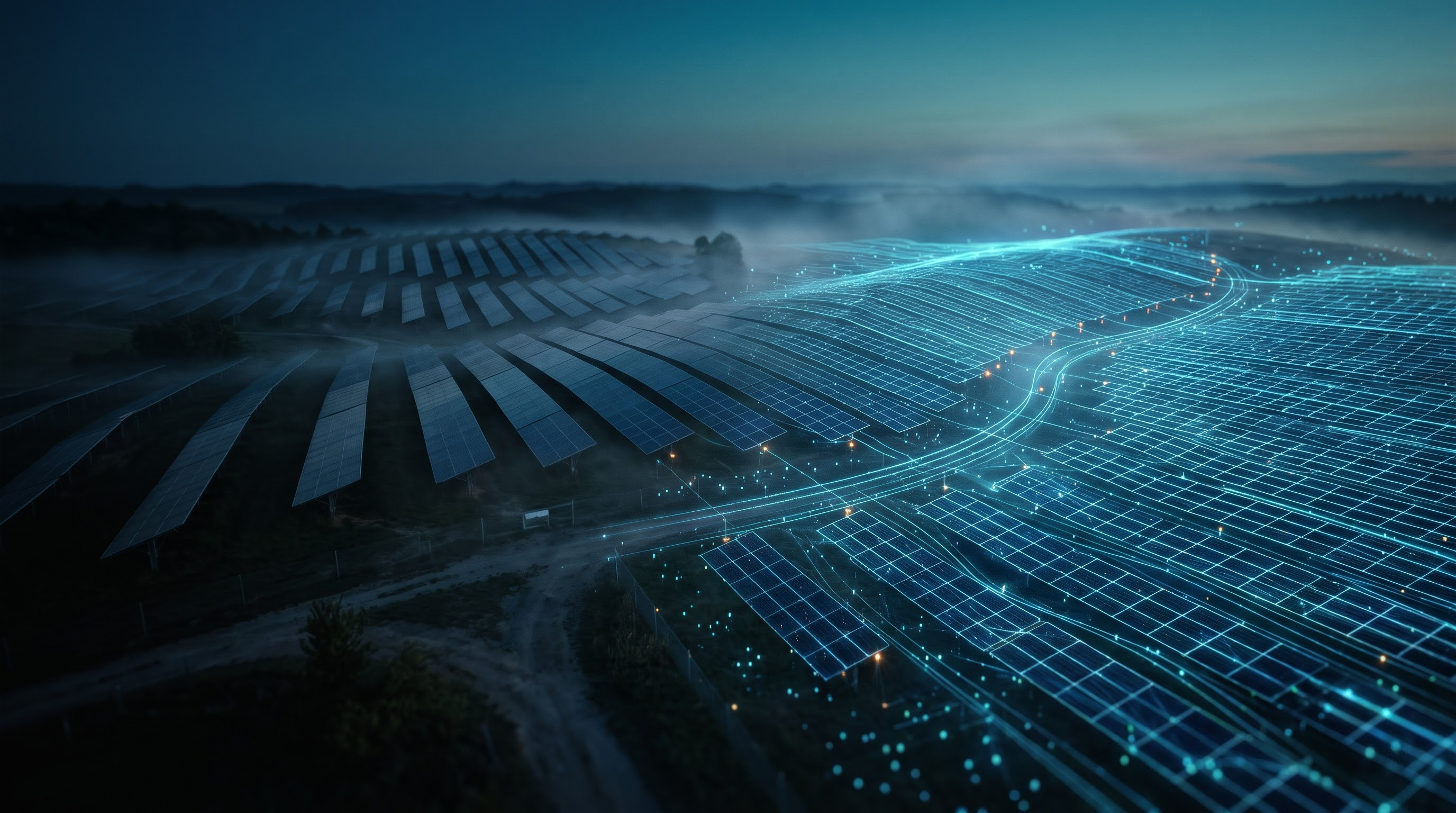
Real-Time Solar Telemetry: How 3D Digital Twins Are Transforming Asset Management
Why modern commercial solar plants and high-end residential installations rely on WebGL 3D digital twins and micro-inverter telemetry to detect string failures instantly.
Elena Rostova
Head of Creative Engineering & IoT

2026 Australian Solar Rebate Guide: How to Claim Up to $3,500+ in Federal STCs & State Loans
Step-by-step breakdown of Australia’s Small-scale Renewable Energy Scheme (SRES) and STCs. Learn DNSP grid connection timelines, point-of-sale discounts, and exact rebate math from 6.6kW to 15kW systems.
Liam Davies
Head of Regulatory Affairs & Grid Compliance