
Commercial & Industrial Solar ROI: Slashing Factory OPEX and Accelerated Depreciation
Detailed financial modeling of 100kW to 1MW commercial rooftop solar arrays. Capital allowances, power purchase agreements, and ESG compliance.
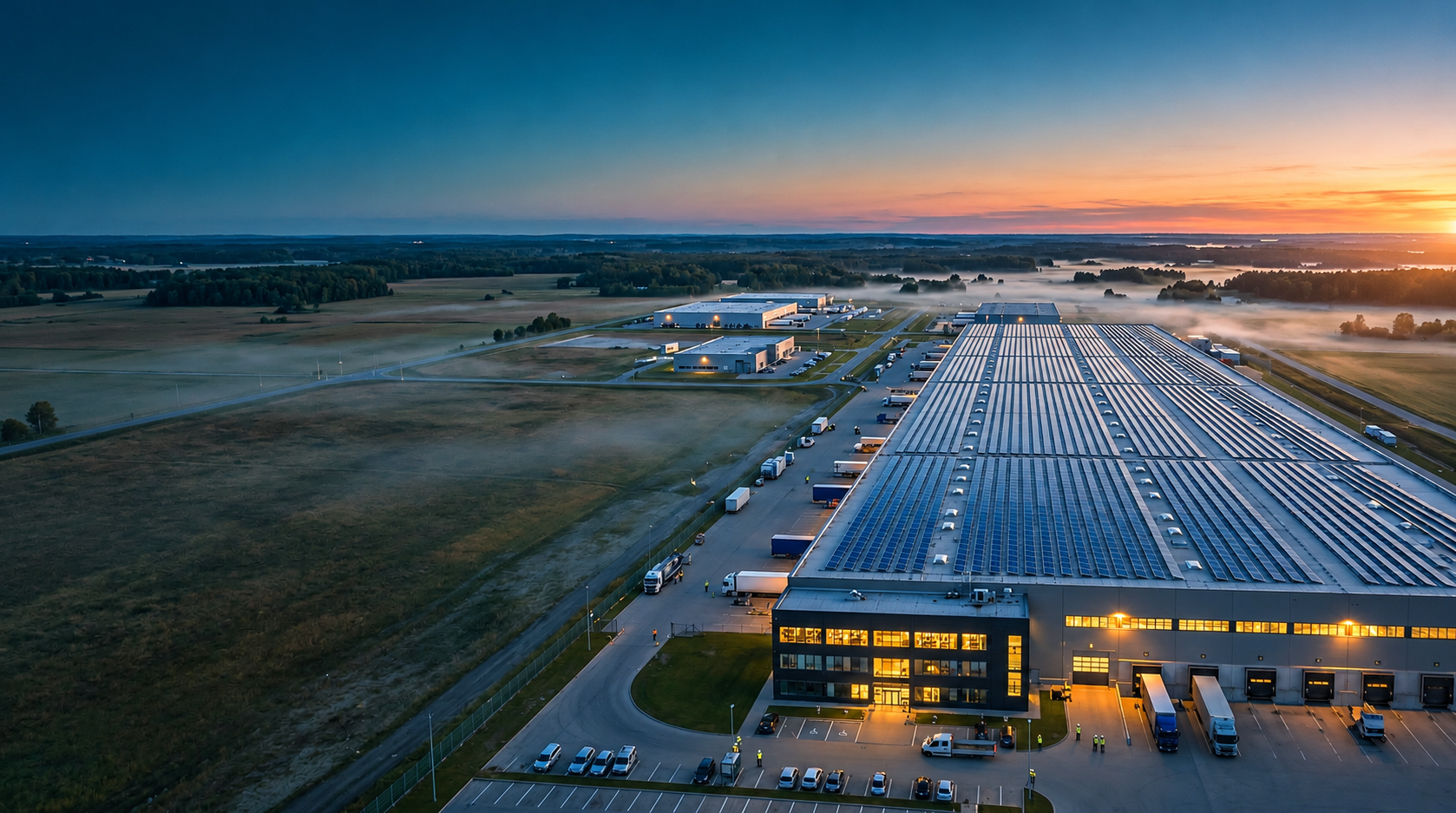
Detailed financial modeling of 100kW to 1MW commercial rooftop solar arrays. Capital allowances, power purchase agreements, and ESG compliance.
For manufacturing plants, cold chain facilities, warehouses, and logistics hubs, electricity represents one of the largest controllable operational expenditures (OPEX). Commercial power tariffs often exceed $0.32 to $0.45 per kWh during peak demand periods. In contrast, levelized cost of energy (LCOE) from on-site rooftop solar is under $0.06 per kWh over a 25-year lifespan.
In Australia, instant asset write-off provisions and clean energy capital allowances provide substantial tax deductions on commercial solar assets in the very first fiscal year. For profitable corporations, this tax advantage recovers significant capital expenditure within months.
For companies seeking zero capital expenditure, Power Purchase Agreements (PPA) allow businesses to purchase clean solar energy generated on their own roof at a 30% to 50% discount to retail grid tariffs, with the solar EPC provider bearing all construction, telemetry, and maintenance costs.
Furthermore, rooftop solar satisfies mandatory Scope 2 carbon emission reporting requirements for Australian and international supply chain compliance (NGER, CBAM, and ISO 14064 standards), ensuring your enterprise retains competitive advantage.
Ready to evaluate your solar feasibility?
Use our rooftop solar calculator to estimate system size, subsidy eligibility, and lifetime electricity savings in 60 seconds.
Related Clean Energy Insights
Browse all →
2026 Australian Solar Rebate Guide: How to Claim Up to $3,500+ in Federal STCs & State Loans
Step-by-step breakdown of Australia’s Small-scale Renewable Energy Scheme (SRES) and STCs. Learn DNSP grid connection timelines, point-of-sale discounts, and exact rebate math from 6.6kW to 15kW systems.
Liam Davies
Head of Regulatory Affairs & Grid Compliance

N-Type TOPCon vs. Mono PERC: Which Solar Technology Wins in High Ambient Heat?
Comparing temperature coefficients, bifacial gain, LID degradation, and lifetime LCOE between N-Type Tunnel Oxide Passivated Contact (TOPCon) and P-Type Mono PERC panels.
Dr. Aris Thorne
Principal Photovoltaic Research Engineer
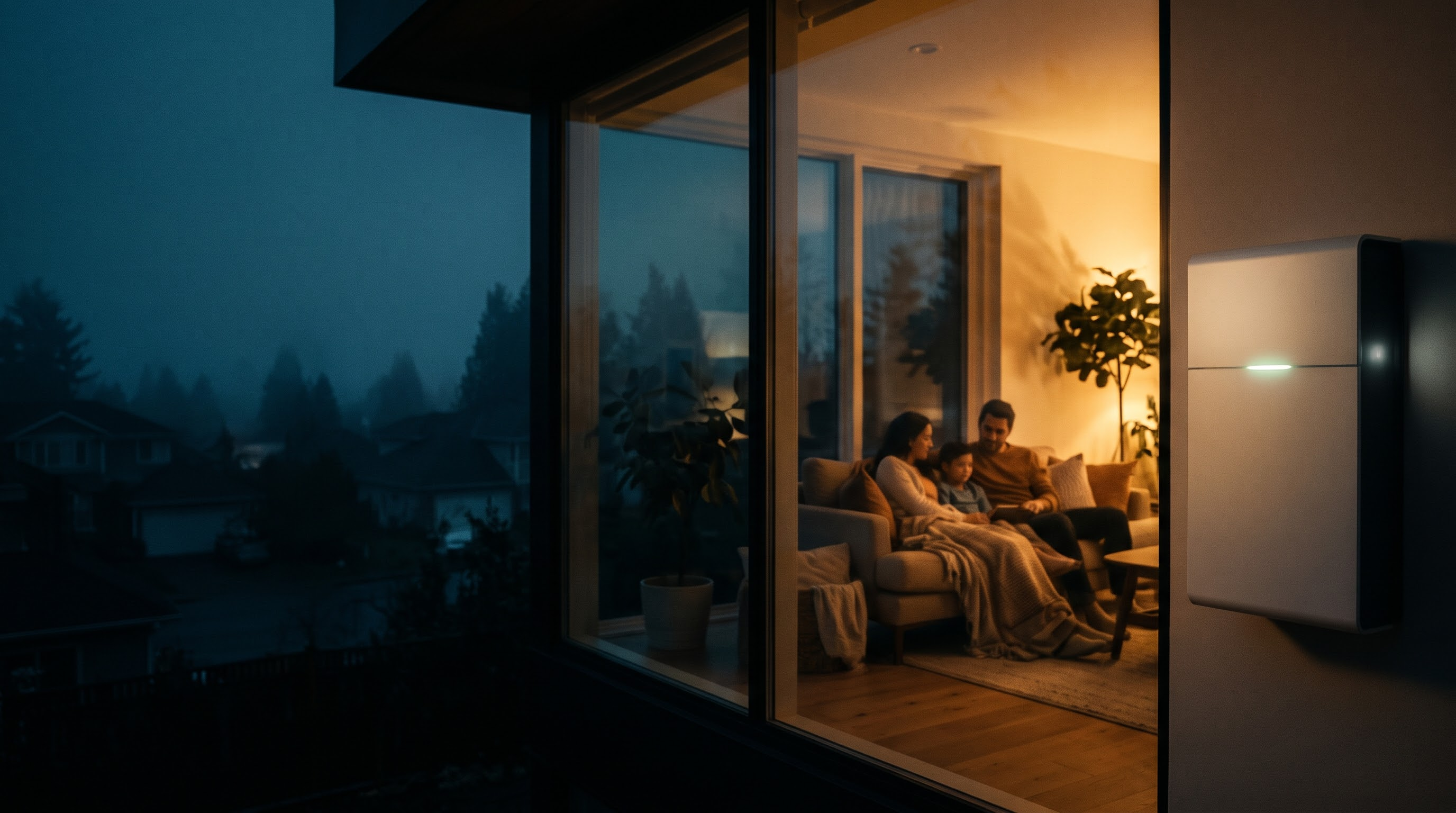
LiFePO4 Home Battery Storage: Zero Degradation Backup & Peak Shaving Explained
Why Lithium Iron Phosphate (LiFePO4) chemistry has made lead-acid and NMC obsolete for domestic solar battery backup. Safety, 6,000-cycle longevity, and time-of-use arbitrage.
Elena Rostova
Lead Energy Storage Systems Architect