
LiFePO4 Home Battery Storage: Zero Degradation Backup & Peak Shaving Explained
Why Lithium Iron Phosphate (LiFePO4) chemistry has made lead-acid and NMC obsolete for domestic solar battery backup. Safety, 6,000-cycle longevity, and time-of-use arbitrage.
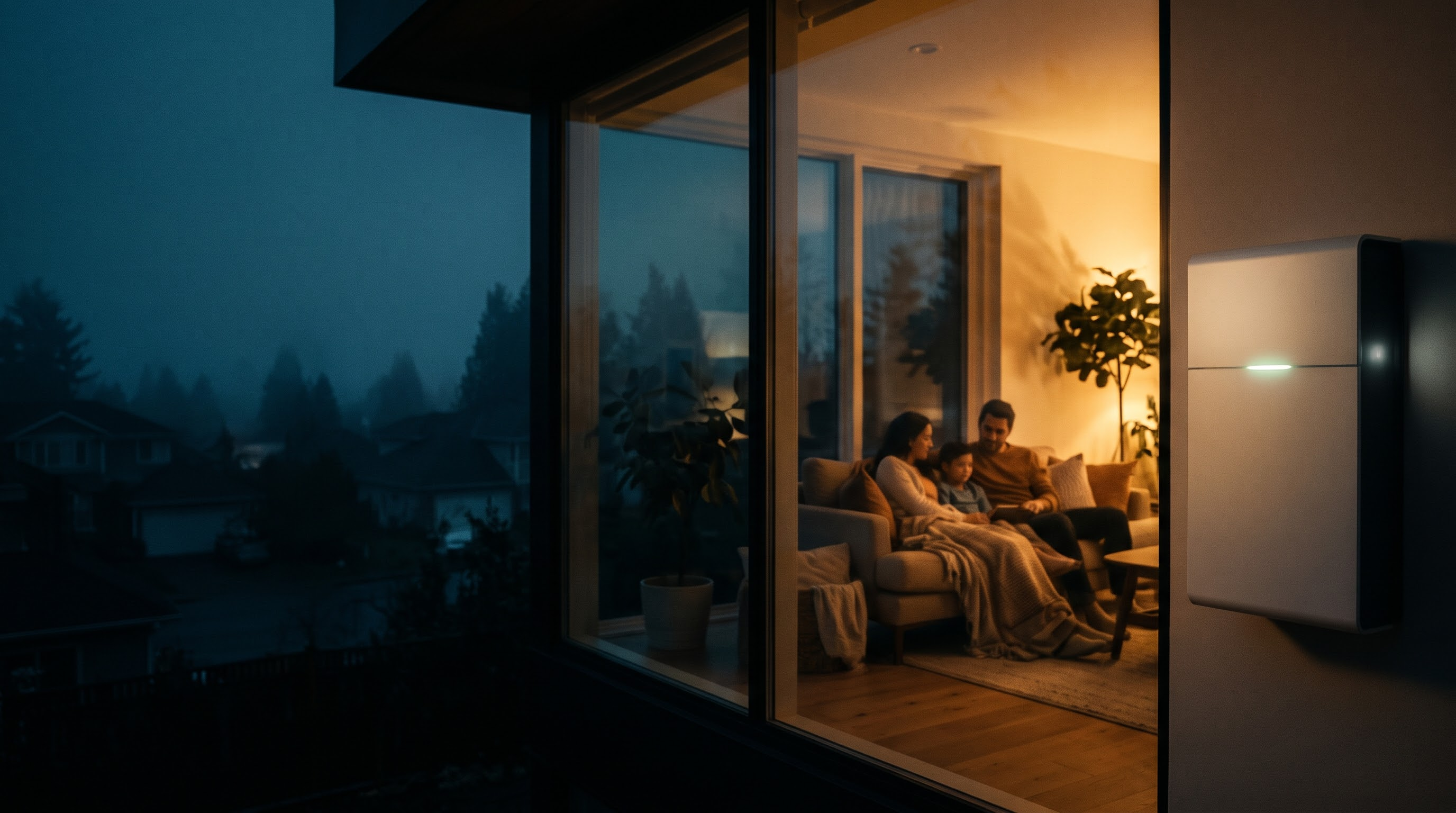
Why Lithium Iron Phosphate (LiFePO4) chemistry has made lead-acid and NMC obsolete for domestic solar battery backup. Safety, 6,000-cycle longevity, and time-of-use arbitrage.
For decades, home energy backup relied on toxic, maintenance-heavy lead-acid batteries with abysmal 40% depth-of-discharge (DoD) and a 3-year replacement cycle. Modern solar architecture demands intelligent, high-density, cycle-stable storage.
LiFePO4 (Lithium Iron Phosphate) is the uncontested gold standard for residential and light-commercial energy storage. Unlike Nickel Manganese Cobalt (NMC) chemistries used in consumer electronics, LiFePO4 cells are thermally and chemically stable up to 270°C, virtually eliminating the risk of thermal runaway even in severe short-circuit or physical puncture events.
With rated cycle lives exceeding 6,000 to 8,000 cycles at 90% DoD, a quality LiFePO4 pack will operate reliably for 15+ years of daily charging and discharging. Combined with intelligent time-of-use (ToU) software, the system stores solar power during off-peak sunshine hours and discharges during peak tariff windows (6 PM - 10 PM), reducing grid electricity draw to zero.
Exchange Power battery ecosystems integrate bidirectional hybrid inverters with microsecond grid-islanding capabilities, ensuring that medical devices, servers, and air conditioning remain uninterrupted during grid outages without a single flicker.
Ready to evaluate your solar feasibility?
Use our rooftop solar calculator to estimate system size, subsidy eligibility, and lifetime electricity savings in 60 seconds.
Related Clean Energy Insights
Browse all →
2026 Australian Solar Rebate Guide: How to Claim Up to $3,500+ in Federal STCs & State Loans
Step-by-step breakdown of Australia’s Small-scale Renewable Energy Scheme (SRES) and STCs. Learn DNSP grid connection timelines, point-of-sale discounts, and exact rebate math from 6.6kW to 15kW systems.
Liam Davies
Head of Regulatory Affairs & Grid Compliance

N-Type TOPCon vs. Mono PERC: Which Solar Technology Wins in High Ambient Heat?
Comparing temperature coefficients, bifacial gain, LID degradation, and lifetime LCOE between N-Type Tunnel Oxide Passivated Contact (TOPCon) and P-Type Mono PERC panels.
Dr. Aris Thorne
Principal Photovoltaic Research Engineer
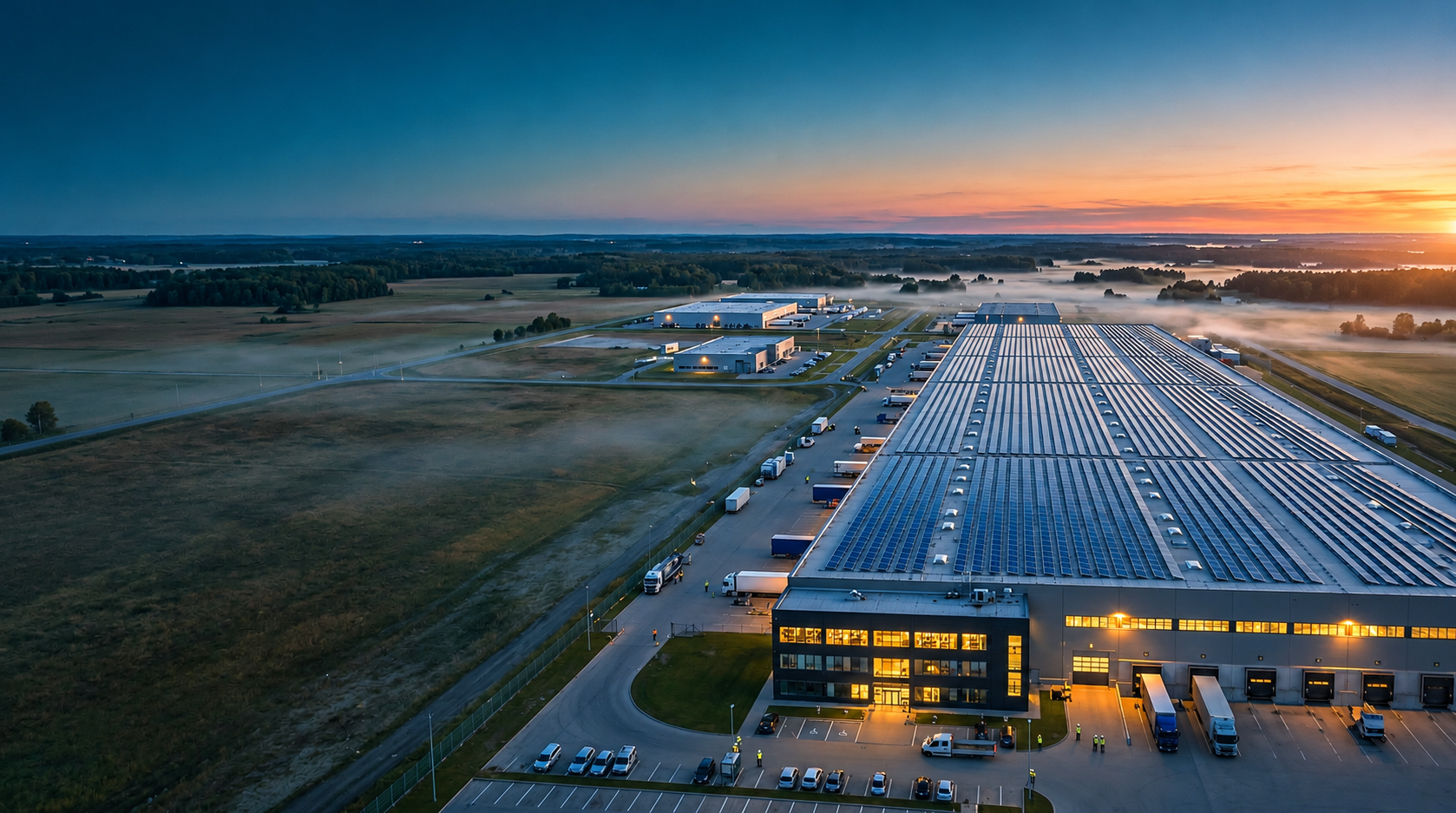
Commercial & Industrial Solar ROI: Slashing Factory OPEX and Accelerated Depreciation
Detailed financial modeling of 100kW to 1MW commercial rooftop solar arrays. Capital allowances, power purchase agreements, and ESG compliance.
Marcus Vance
Director of C&I Infrastructure